ISSUE 07: When business growth kills brand equity
Welcome to The Red Thread, a weekly(-ish) branding and culture newsletter exploring what founder-led brands can learn from cult luxury heavyweights in order to build the same kind of timeless, relevant, culturally aware, and irreplaceable positioning in their own categories.
If you find this useful and would like The Red Thread directly to your inbox, then subscribe for free below
A few weeks ago, I wrote about why founders reach for the wrong fix — a new logo, a website refresh, a rebrand — before they’ve done the diagnostic work to understand what’s actually broken. The audit comes first. Always.
This week, I want to show you what an audit looks like in practice, and more importantly, what comes after.
Call me stupid brave, but I’ve not gone for a fictional brand, nor one of my own clients in disguise. I’m choosing a real company with real traction at a very real inflection point that many brands don’t see before it’s too late.
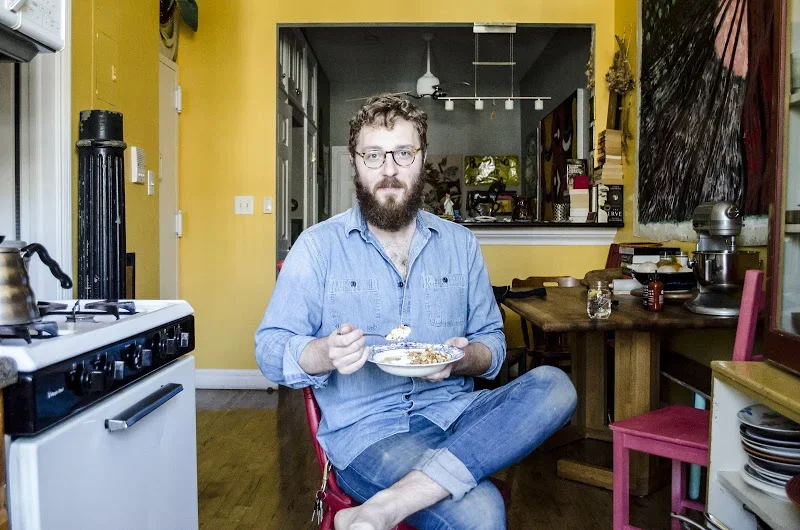
Casey Elnass via Savory Panty Blog
The company: Bushwick Kitchen
Founded in 2014 by Casey Elsass and Morgen Newman, Bushwick Kitchen started with the kind of origin story brand builders can only pray for.
Casey had just left his job at the Metropolitan Opera. He and Morgen sat down at Casey’s kitchen table in Bushwick with a pizza from Roberta’s and a bottle of whiskey and a single slightly unhinged question: could we build an entire company from concept to finished product in thirty days?
They did it. One product: spicy honey made with wildflower honey from a husband-and-wife beekeeper operation upstate and a proprietary chilli blend they spent weeks perfecting (eighteen recipe variants before they got it right). No company name on day one. Just a deadline, a Brooklyn kitchen, and apparently a very high tolerance for chaos.
Within ten months they had made $170,000 in revenue and secured organic press from Bon Appétit, Vanity Fair, Esquire. All without a PR agency, without a budget, without any of the machinery founders now burn their seed rounds on.
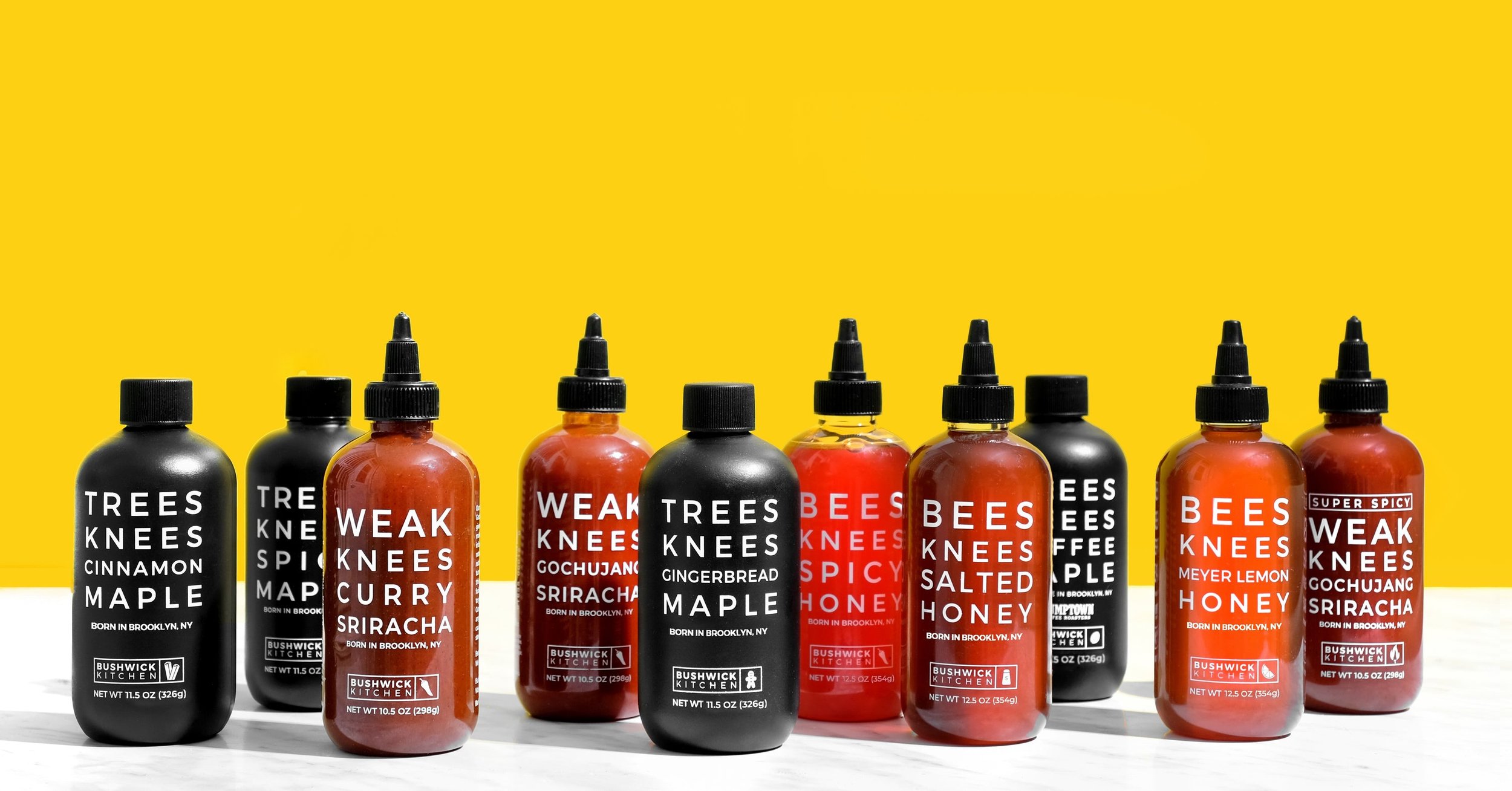
via: Bushwick Kitchen
Fast forward to today: they’ve made the Inc. 5000 list four years running. They’re in Walmart. They’ve launched beer collaborations. They’ve got award-winning honeys, maple syrups, srirachas, hot sauces, and pancake mix. By conventional business metrics, they’re doing well.
But here’s what I’d flag if they hired me: When people think hot honey, they don’t think Bushwick Kitchen first. The business is growing, but the brand isn’t building.
That’s not failure, but it’s a very specific strategic problem. And it’s fixable.
The competitive reality
The hot honey category is exploding, and Bushwick Kitchen is at risk of being left behind.
Mike’s Hot Honey, a fellow Brooklynite brand that launched four years before Bushwick Kitchen, has become synonymous with the category. They’ve raised $9.24 million in funding and achieved 59% revenue growth. and secured partnerships that signal cultural momentum: KFC, Burt’s Bees, Blue Diamond, Tillamook, HelloFresh.
That’s not distribution, that’s category ownership.
Meanwhile, Melinda’s has entered with artisanal hot honey that wins taste tests, and Heinz has launched “Infused Honey with Hot Chili” backed by their $280 billion global infrastructure. The “swicy” trend hot honey helped create is now everywhere. Which is great for category growth and terrible for brands that haven’t locked in positioning. Mass market wins on scale. Artisanal brands win on meaning. Bushwick Kitchen isn’t winning on either, and the risk is clear: they could become just another hot honey brand in a category they were early to. A regional player watching from the sidelines while Mike’s and Heinz own the conversation.
A brand audit in five parts: where the gaps live
GAP 01: Positioning has been professionalised into blandness
Their about page: ”We believe in the unexpected. We believe food can taste extraordinary in its simplicity. We believe life should be fun.”
Swap “Bushwick Kitchen” for any food brand you’ve encountered in the last six months. Read it again. Still works, doesn’t it? If your brand statement is infinitely interchangeable, you don’t have positioning.
And then there’s their Instagram. On first glance you might see visual consistency, clarity, good product imagery. I see eleven years of posting, nearly 1,500 pieces of content and only 16,000 followers. Their hashtag is #greatonanything. Their bio is literally a product list. They’re so busy telling people what the product goes on that they've forgotten to tell them why they should care.
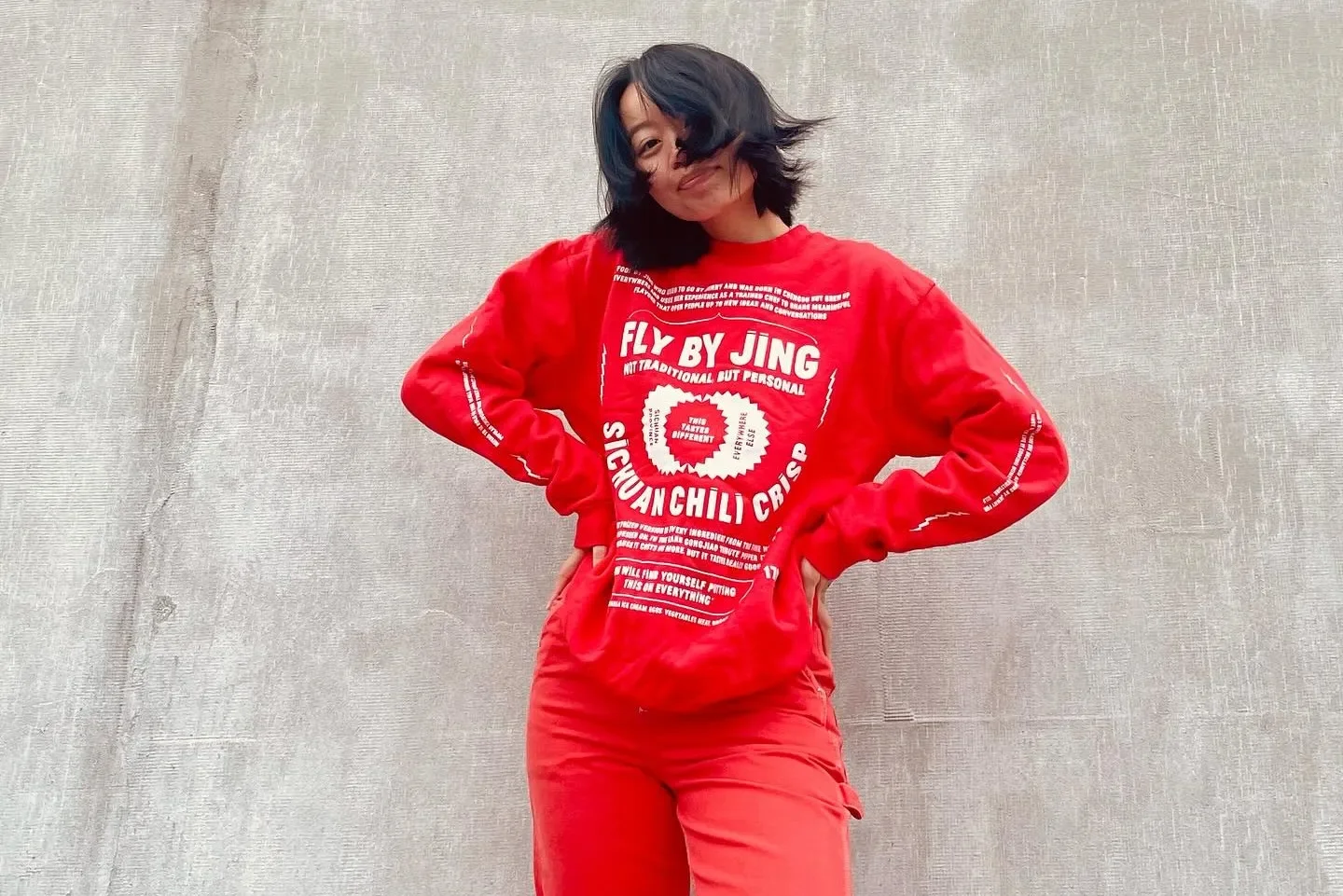
Merch via: Fly By Jing
Compare this to Fly By Jing, arguably the brand doing the most interesting positioning work in the condiment space right now. Fly By Jing exists to change the narrative about Chinese food in the West, to show that Sichuan cuisine is complex, nuanced, and worth taking seriously, not flattened into cheap takeout. That’s a point of view. You can feel it in every product decision, every piece of copy and content. You know instantly whether Fly By Jing is for you, which means you also know instantly if it isn’t. And that’s fine, because the brand isn’t trying to be for everyone.
Bushwick Kitchen’s point of view, as best I can tell, is “food that tastes good.” I mean. Sure.
But compare this to their origin story — a thirty-day challenge, a Bushwick kitchen table, eighteen recipe attempts to get the blend right. That story has specificity, personality, and a point of view baked in. It says: we believe in the discipline of constraints, the speed of commitment, the slightly unhinged romance of obsessive craft without artisanal bullshit.
That’s positioning. What they have now reads generic.
GAP 02: They’re marketing to gift buyers, not building a cult
Almost every third-party retailer description of Bushwick Kitchen positions it as “the perfect gift for foodies.” Which means their actual conversion engine is people buying it for someone else. Not a devoted customer base who reaches for it weekly and would be genuinely bereft if it disappeared. To their current audience it’s a stocking stuffer, a nice charcuterie board addition. Gift buyers are not cult followers. They don’t build communities. They don’t wear the merch. They don’t tell their friends with the kind of evangelical specificity that turns a brand into a movement. They buy it at Christmas and move on.
Their audience has diversified without a clear strategic narrative. They didn’t choose a new customer, they accepted whoever found them. That’s reactive growth, not strategic positioning.
Meanwhile, there’s a clear opportunity with the true aficionado. The curious home cook who follows food writers and chefs like Alison Roman, has strong opinions about olive oil, buys ingredients as self-expression. A customer who could become evangelical about a brand with this origin story.
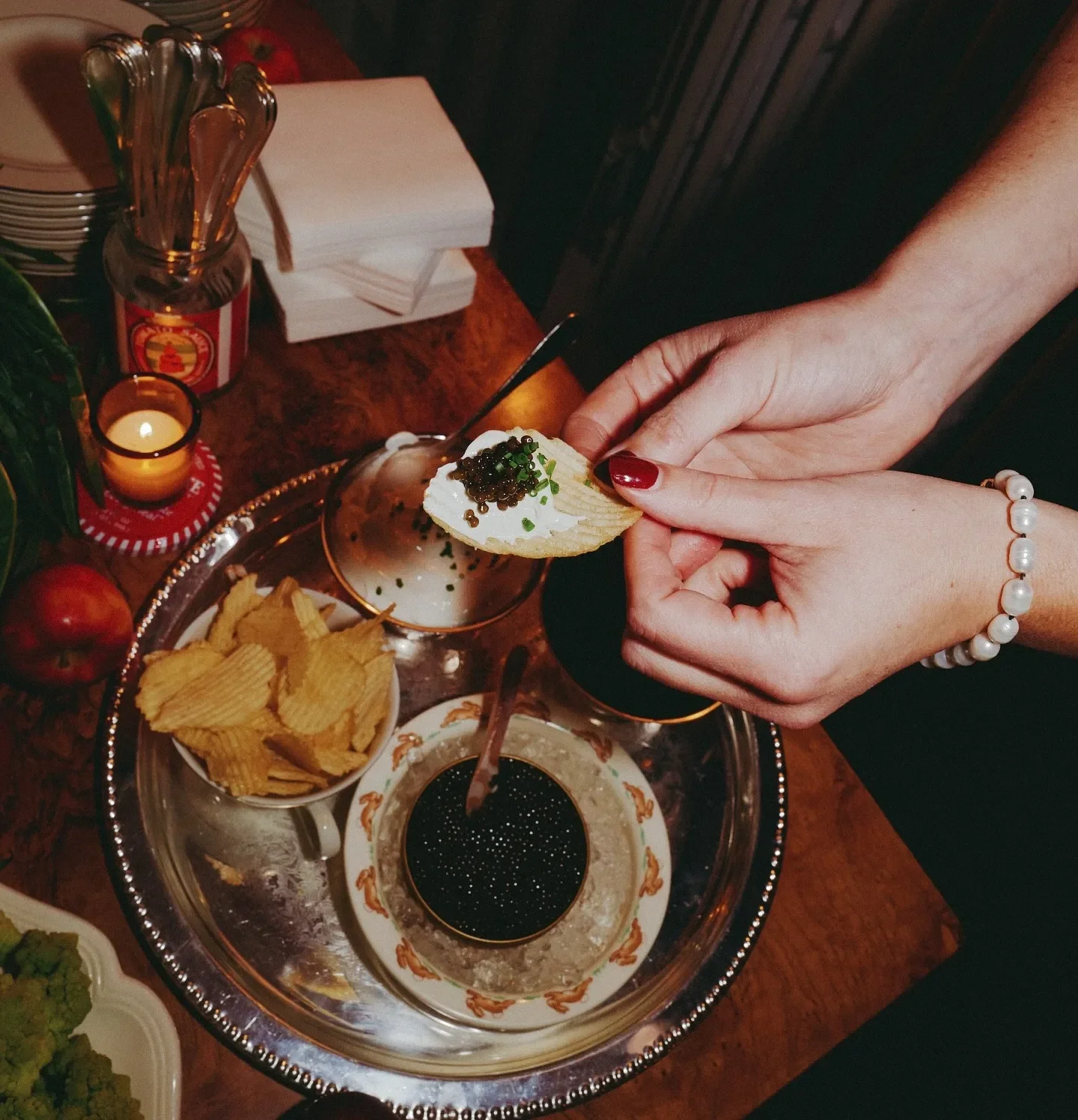
via: Alison Roman
GAP 03: Distribution choices are sending mixed signals
Walmart and Vanity Fair in the same brand bio isn’t inherently problematic. Plenty of brands successfully occupy multiple tiers.
But right now, Bushwick Kitchen leads with Walmart as a milestone. Now you can find their hot honey next to Great Value sriracha, and no part of that is doing them any favours. For a brand trying to build cult status, that’s a choice that signals accessibility over aspiration. Mass retail brings revenue, but it dilutes the brand’s ability to own “taste” in the category.
They’ve prioritised distribution over positioning, which is a rational short-term business decision with long-term brand consequences. The question is whether that trade-off serves them.
GAP 04: Product range lacks a coherent edit
They started with one product. They stayed focused. It worked.
And then, the moment they had traction, they started making maple syrup. And sriracha. And pancake mix. I’m not anti-extension. I’m anti-extension without a coherent throughline.
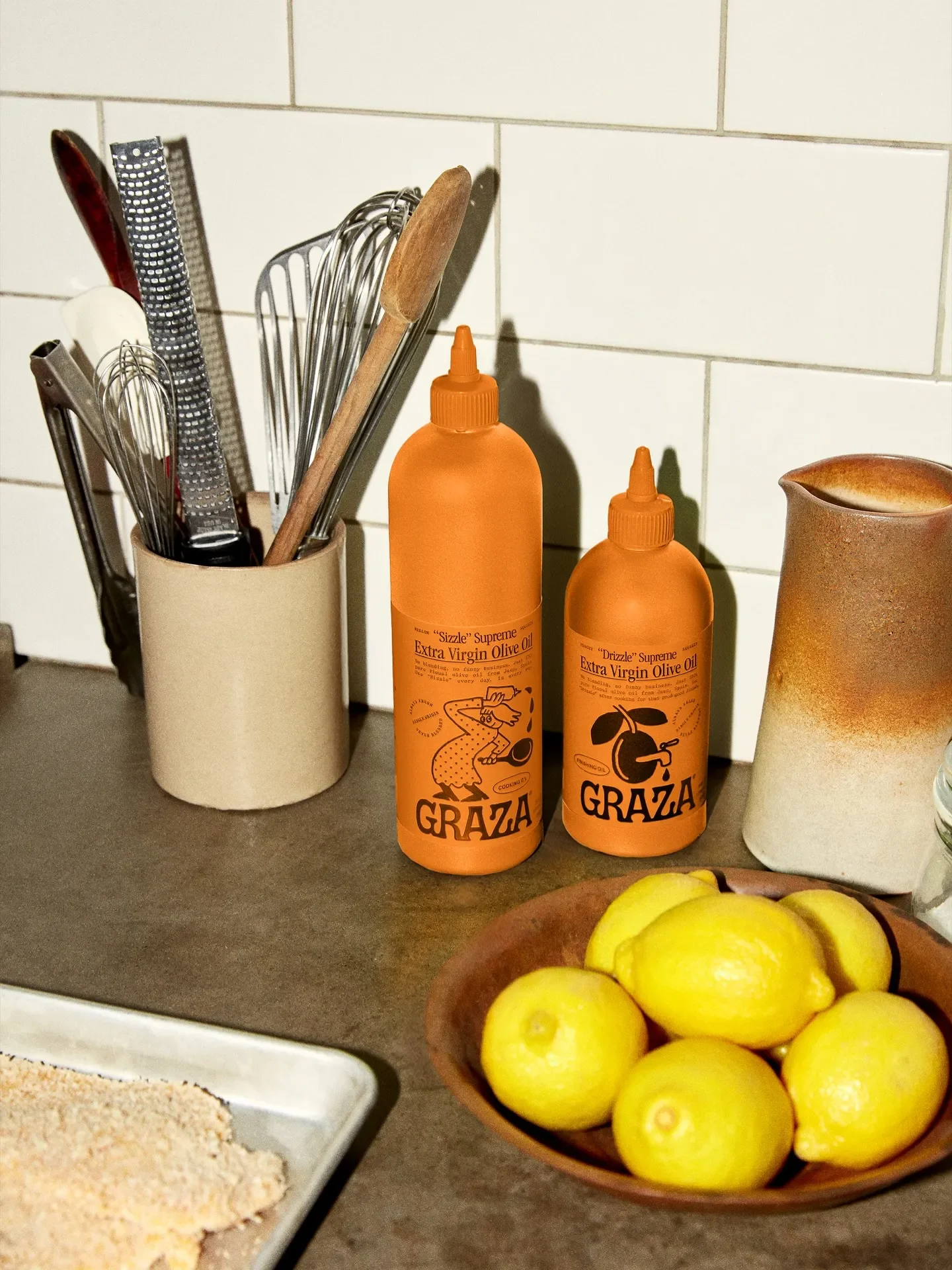
via: Graza
Before they did anything else, Graza became cult for one thing: olive oil, in three variants, in a squeeze bottle, and the whole brand is built around their position that good olive oil should be used abundantly and joyfully rather than rationed like it’s liquid gold.
Bushwick Kitchen’s edit seems to answer the question: what else could we sell? That’s a revenue question, not a brand question. They’ve become a condiment company rather than the hot honey company. When category dominance rewards singular focus, that’s a positioning liability.
GAP 05: The founder’s personality has been professionalised out
Here’s a wrinkle: Casey actually made a deliberate decision early on to separate himself from the brand. In his own words, “I don’t want to be a presence on our brand... this brand is not me.”
Admirable in theory. But when you remove the founder’s personality without replacing it with an equally distinctive brand world, you create a vacuum. The brand now has professional comms infrastructure, a CEO named Daniel, and very little of the scrappy, obsessive energy that was present in their origin story.
Founder-led doesn’t have to mean founder-dependent. But right now, Bushwick Kitchen sounds like a brand. It should sound like people.
The Strategy: what I’d recommend
If Bushwick Kitchen walked into my office tomorrow, here’s the brief I’d write.
STRATEGIC NORTH STAR
We’re going after category ownership in hot honey, not revenue maximization across condiments.
The goal isn’t to be everywhere. It’s to be irreplaceable in one specific thing. When a flavour aficionado is thinking swicy, they should think Bushwick Kitchen first. Not Mike’s, not the Walmart house brand, not Heinz.
That requires focus, specificity, and the willingness to say no to revenue opportunities that dilute the core.
POSITIONING REFRAME
Go back to the kitchen table.
From: “Finger-licking, flavor-addicting sauces and condiments for every kitchen creative and foodie.”
To: “We make hot honey for people who cook with intention, not recipes. Flavour aficionados who don’t just settle for ‘pass the salt’. We started in a Bushwick kitchen with a pizza and a bottle of whiskey, a thirty-day challenge, and eighteen attempts to perfect what we love. We’re still obsessive about getting the blend perfect. We’re still here because we did.”
This isn’t a tagline. This is the internal filter for every decision. Does this align with who we are? If not, we don’t do it.
MESSAGING STRATEGY
Give it a point of view. A real one.
The thirty-day challenge isn’t a cute anecdote. It’s the philosophy. Casey leaving the Met to make spicy honey in his apartment isn’t colour — it’s the proof that this brand has always been slightly unhinged in the best way. Every piece of content, every product description, every “About” page should make someone feel like they’re getting the inside story from a friend.
Not “life should be fun.” Something that makes someone feel seen or challenged or curious. Something that has the brand’s fingerprints all over it. The raw material is there already — the irreverence of the thirty-day challenge, the obsessive 18 recipe product development, the scrappy community-built Brooklyn origin. That’s a brand that believes in the romance of obsessive craft without the pretension of artisanal bullshit.
That’s genuinely interesting. Say that.
AUDIENCE FOCUS
Stop optimizing for gift buyers. Start building for devotees.
Ditch the focus on passive, transactional, seasonal purchasing and instead lean into devoted word of mouth from people with taste and influence.
The person we’re speaking to: food-curious, ingredient-obsessed, follows food writers and chefs, buys kitchen tools as small luxuries, wants their pantry to reflect their world view. This person represents a significant opportunity. They should be our focus.
Content strategy:
• Recipe collaborations with food writers who have cult followings (Alison Roman, Samin Nosrat, J. Kenji López-Alt)
• Ingredient storytelling: where the honey comes from, why the chilli blend matters, what makes ours different
• “How we’d use it” content from the team. Not influencer partnerships, real people with real opinions
Distribution priority:
• DTC (owned channel, highest margin, most control)
• Taste-driven specialty retailers (Erewhon, independent food shops, places that signal curation)
• Strategic wholesale partnerships where the brand story can be told properly
Mass retail can stay in the mix for now, but it stops being the headline. We lead with where we want to be known, not where we generate volume.
PRODUCT RANGE EDIT
Kill the pancake mix. Sunset the maple syrup line. Focus the entire brand around hot honey and its direct extensions.
Our edit is our message. The restraint in what we make versus what we don’t is the entire point. Bushwick Kitchen’s edit should be: hot honey and its direct extensions, full stop, until the product line is so deeply associated with a specific flavour territory that it becomes the category.
Every product should answer the question: what does Bushwick Kitchen’s version of this bring that no one else’s does?
Hot honey: this is the core.
Spicy maple syrup: maybe, if it’s positioned as “hot honey’s cousin” not a separate line.
Sriracha: the category is crowded and competitive. What’s Bushwick Kitchen’s specific point of view here?
Pancake mix: this doesn’t connect to the core hot honey story.
VISUAL IDENTITY EVOLUTION
Currently, our brand’s visual language is fine. It’s clean, legible, modern, and inoffensive. It’s also not memorable. If you stripped the logo and put the product side by side with ten other premium condiment brands, you might not reliably see much difference. The bottle could contain anything.
Nothing about the packaging communicates irreverence, the thirty-day challenge, the Brooklyn kitchen, the obsessive craft, or the specific personality of the people who made it. It’s generic premium, which is exactly the no man’s land between mass market and cult we don’t want to find ourselves in.
Lean into the origin story visually. There's opportunity in there for visual language that's gritty, specific, and completely unused. Think less "premium condiment shelf" and more the kind of tactile, slightly rough-around-the-edges aesthetic that says this was made by people who care obsessively.
The Uncomfortable Recommendation
Bushwick Kitchen needs to decide if they’re building a brand or managing a business.
Both are valid. But they require different strategies, different investments, different timelines, and different definitions of success.
Why this matters for you, reader
Business growth and brand strength aren’t always the same thing. You can grow revenue while losing cultural relevance. You can expand distribution while diluting positioning. You can professionalise operations while sanitising out the personality that made people care in the first place.
The Bushwick Kitchen case study is useful because it’s not about failure. It’s about the trade-offs every founder brand faces when they scale:
• Do you broaden to capture more market, or narrow to own a specific space?
• Do you lead with accessibility, or aspiration?
• Do you optimise for revenue today, or brand equity tomorrow?
• Do you professionalise the rough edges, or protect them as the thing that makes you different?
There are no universally right answers. But there are consequences to every choice. And the brands that last build real cult followings (yes, even in condiments) tend to make very specific, sometimes uncomfortable choices early, and defend them ruthlessly.
If you’re a founder who recognised your own brand in this case study, this is the inflection point that I love to work at. Let’s talk.
Until next week,
Hilary